


Residential complexes welcome a wide range of visitors every day, including family members, delivery personnel, domestic workers, maintenance technicians, contractors, and service providers. Therefore, managing visitor access is an important part of maintaining a safe and organized living environment.
Although access control may appear straightforward, residential security teams often face practical challenges. For example, visitors may arrive without prior approval, residents may expect quick entry for their guests, and service personnel may need access to several buildings. Consequently, security guards must balance convenience with appropriate screening procedures.
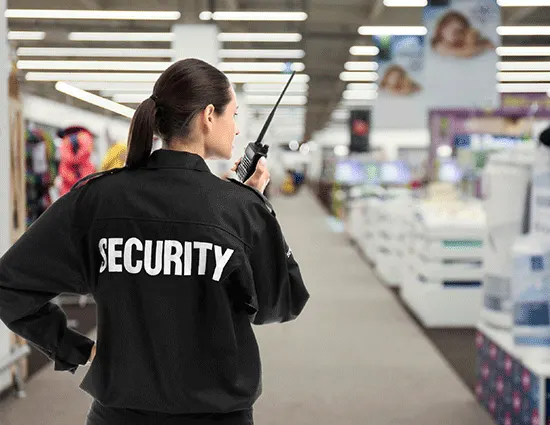
Lady security guards can contribute to these operations by assisting with visitor verification, communicating with residents, monitoring designated entrances, and responding professionally to sensitive situations. However, their role should be determined by the complex’s security plan, the training provided, and the responsibilities assigned to the security team.
When supported by clear procedures and effective coordination, lady security guards can help residential communities manage visitors while maintaining a respectful and welcoming atmosphere.
Why Visitor Screening Matters in Residential Complexes
Residential complexes often contain multiple buildings, parking areas, recreational facilities, and shared entrances. As a result, controlling who enters the premises can become complicated, particularly during busy periods.
Without consistent visitor screening, unauthorized individuals may gain access to common areas, residents may experience unwanted interruptions, and security personnel may struggle to establish who is permitted to enter. Visitor screening is one part of a broader residential safety approach that also considers the protection of families, shared spaces, and community facilities, as discussed in residential security and community protection
A structured visitor management process helps address these concerns. For example, security personnel can verify the purpose of a visit, contact the relevant resident, and follow the community’s access policy before permitting entry.
Furthermore, visitor screening helps maintain accountability. If an incident occurs, properly maintained visitor records may assist authorized personnel in understanding who entered the premises and when.
Nevertheless, security procedures should remain proportionate to the situation. Guards should avoid unnecessary questioning, respect residents and visitors, and follow applicable privacy requirements when collecting or recording information.
How Lady Security Guards Support Entrance Management
Lady security guards may be assigned to main gates, reception areas, residential lobbies, visitor registration desks, or other designated checkpoints.
Their responsibilities depend on the security arrangement. However, common duties can include the following.
- Welcoming visitors: Greeting people professionally helps establish a positive first impression while allowing guards to explain the entry procedure.
- Confirming visit details: Personnel can ask for the resident’s name, the purpose of the visit, and other information required by the approved screening process.
- Contacting residents: When prior authorization is unavailable, guards can contact the resident or designated representative before allowing entry.
- Checking visitor credentials: Where required, personnel can verify relevant identification according to the complex’s policy and applicable law.
- Issuing visitor passes: Temporary passes can help distinguish authorized visitors from other individuals on the premises.
- Monitoring entry and exit: Accurate records and visual monitoring can help security teams maintain an overview of visitor movement.
In addition, lady security guards can coordinate with male colleagues, supervisors, and residential management when an issue requires further attention.
Importantly, these duties should be assigned according to training and operational requirements rather than assumptions about gender. A professional security team works most effectively when every member understands their responsibilities.
Managing Visitors Who Arrive Without Prior Approval
Unannounced visitors are a common challenge in residential communities. For instance, a relative may arrive unexpectedly, a technician may attend a repair appointment, or a delivery worker may need clarification about the destination.
In such situations, security guards should follow a consistent verification procedure rather than make decisions based on personal familiarity or pressure.
First, the guard should establish the purpose of the visit. Next, they should contact the relevant resident or management representative when authorization is required. Finally, the guard should allow access only when the applicable procedure has been satisfied.
However, visitors may become impatient when they have to wait. Therefore, polite communication is essential.
A guard can explain that verification protects residents and helps prevent unauthorized entry. If the resident cannot be reached, the guard should follow the site’s instructions rather than bypass the procedure.
Moreover, security personnel should not disclose a resident’s apartment number, contact details, or availability to an unverified visitor. Instead, they should use the approved communication channel.
This approach helps maintain security without turning a routine interaction into an unnecessary confrontation.
Screening Domestic Workers, Contractors and Service Providers
Residential complexes frequently receive domestic workers, electricians, plumbers, appliance technicians, cleaners, and other service providers. Because these individuals may visit regularly, security teams need a reliable process for verifying their authorization.
For example, a registered worker may have permission to enter on specific days, while a contractor may require approval for a one-time repair. Consequently, guards should understand the difference between regular access arrangements and temporary permissions.
Effective screening practices include:
- Checking the authorization or appointment details required by the complex.
- Confirming the relevant flat, building, or service location.
- Verifying whether the visit requires approval from a resident or management office.
- Recording entry and exit details where required.
- Following procedures for tools, equipment, and materials when applicable.
- Referring discrepancies to a supervisor before granting access.
Additionally, guards should be aware that access permissions may change. A person who was authorized previously should not automatically receive unrestricted entry if current procedures require renewed verification.
At the same time, screening should be applied consistently. Workers and contractors should be treated respectfully, and guards should avoid discriminatory assumptions based on occupation, clothing, appearance, or background.
Managing Deliveries and High-Volume Visitor Periods
Delivery personnel, food couriers, and online shopping services can create considerable activity at residential entrances. Furthermore, visitor numbers may increase during festivals, celebrations, family gatherings, and community events.
Without a clear process, congestion can develop at gates and reception areas. As a result, guards may struggle to complete checks properly while managing queues.
To improve these operations, residential management can establish separate procedures for routine deliveries, scheduled visitors, and event-related access.
For example, delivery personnel may be directed to a designated collection point if the complex follows that policy. Similarly, visitors attending a community event may be checked against an approved list or directed to a designated entrance.
Lady security guards assigned to these areas can help explain procedures, manage queues, and coordinate with residents or supervisors when clarification is needed.
However, speed should not replace verification. Even during busy periods, personnel should follow the required checks and request assistance if the volume of visitors exceeds what the available staff can manage safely.
Handling Sensitive Situations With Professionalism
Some visitor screening situations require particular care. For example, a resident may report unwanted visitors, a person may attempt to enter despite being denied authorization, or a disagreement may develop at the entrance.
Lady security guards may be especially valuable in situations where a resident or visitor requests assistance from a female security professional. Nevertheless, sensitive incidents can occur in many forms, and every guard should receive suitable training to respond appropriately.
A professional response generally involves several steps.
- Remain calm: Avoid escalating the situation through aggressive language or unnecessary confrontation.
- Listen to the concern: Allow the resident or visitor to explain the issue when it is safe to do so.
- Follow the access policy: Do not grant entry simply because someone applies pressure or claims personal familiarity with a resident.
- Seek assistance: Inform a supervisor or additional security personnel if the situation becomes difficult to manage.
- Protect privacy: Discuss sensitive matters away from unrelated people whenever possible.
- Report the incident: Record relevant facts according to the site’s reporting procedures.
Furthermore, guards should not attempt to investigate allegations beyond their authority. Instead, they should preserve relevant information, notify the appropriate people, and contact emergency services when the circumstances require it.
Protecting Resident Privacy During Visitor Screening
Visitor management involves personal information, including names, visit details, and sometimes identification records. Therefore, security personnel must handle this information responsibly.
For example, a visitor register should not be left where unauthorized individuals can easily read its contents. Similarly, guards should not discuss residents’ routines, apartment details, or personal circumstances with other visitors.
Residential management should establish clear rules about what information may be collected, why it is needed, who can access it, and how long it should be retained.
In addition, security personnel should avoid collecting information that is unnecessary for the assigned purpose. Where identification checks are required, they should follow the approved procedure and applicable law.
These measures are important because visitor screening should protect the community without creating avoidable privacy risks.
Coordination Between Security Guards and Residents’ Associations
Visitor screening becomes more effective when security personnel receive clear instructions from residential management or the residents’ association.
For instance, management should communicate temporary access restrictions, approved contractor schedules, event arrangements, and changes to visitor policies. Otherwise, guards may receive conflicting instructions from different residents.
Regular briefings can help resolve these problems. Moreover, written procedures give guards a consistent basis for making decisions when a resident requests an exception.
Clear entry and exit records are equally important in other settings, particularly in banks, where branch access procedures help track the movement of visitors and authorized personnel
Residents also have a role to play. They should provide accurate visitor details when required, respond to verification calls, and inform management about relevant access changes. Residents’ welfare associations also need to oversee broader security arrangements, including guard responsibilities, common-area monitoring, and visitor access across the society, as outlined in housing society security practices.
Meanwhile, supervisors should review recurring problems, such as unauthorized entry attempts or congestion during peak hours. As a result, the complex can improve its procedures based on actual operational experience.
Training and Qualities Required for Lady Security Guards
Effective visitor screening requires more than standing at an entrance. Security personnel need communication skills, attention to detail, sound judgement, and a clear understanding of access procedures.
Training should cover visitor verification, emergency response, conflict de-escalation, confidentiality, incident reporting, and coordination with supervisors.
Additionally, guards should understand how to identify suspicious circumstances without making assumptions about individuals. For example, an unexplained attempt to enter a restricted area may require attention, whereas unfamiliarity with the complex alone is not evidence of wrongdoing.
Regular supervision also matters. Through feedback and practical exercises, security teams can improve their consistency and confidence.
Ultimately, professional conduct, reliability, and adherence to procedure are more important than stereotypes about which security duties are suitable for a particular gender.
Conclusion
Lady security guards can play an important role in managing visitor screening at residential complexes by supporting access control, verifying visitor authorization, coordinating with residents, and handling sensitive interactions professionally. Furthermore, their presence can provide an additional point of assistance for residents who prefer to approach a female security professional in particular situations.
However, effective visitor management depends on more than individual guards. Clear policies, appropriate training, accurate records, and cooperation between security personnel and residential management are equally important.
Om Sai Safeguard Services provides professional security support for organizations and properties that require disciplined access management and vigilant on-site personnel. By emphasizing responsible conduct, effective communication, and structured security procedures, Om Sai Safeguard Services can help residential communities strengthen visitor management while maintaining a welcoming environment for residents, guests, and authorized service providers.