

Hotels are designed to provide comfort, convenience, and a welcoming environment for guests. At the same time, they are busy properties where many different people enter and leave throughout the day. Guests, employees, suppliers, contractors, visitors, delivery personnel, and event attendees may all use the same premises. Because of this constant movement, maintaining a secure environment requires more than simply locking doors or installing cameras—a comprehensive approach often involves professional hotel security services.
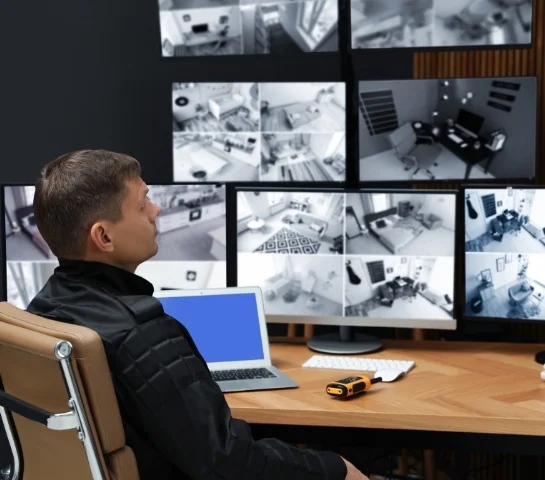
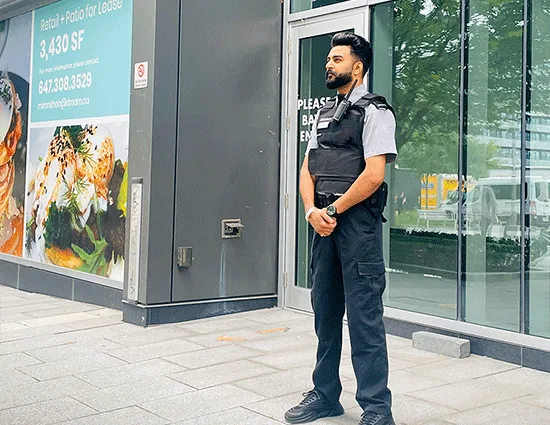
Hotel security services play an important role in protecting both guests and property. Security personnel can monitor entrances, observe unusual activity, control access to restricted areas, assist during emergencies, and respond to incidents. Moreover, their presence can help hotel staff maintain an organized environment without interfering with the guest experience.
Why Hotels Require Dedicated Security
A hotel operates differently from many other commercial properties. Unlike an office where access may be limited to employees during specific hours, hotels can remain active around the clock. Guests may arrive late at night, visitors may meet guests in common areas, and employees may work in different shifts.
Furthermore, hotels often contain valuable assets, including electronic equipment, furniture, guest belongings, cash-handling areas, vehicles, and operational equipment. Protecting these assets requires continuous awareness.
Hotel security also has to balance two important priorities. First, security personnel must remain alert to potential risks. Second, they must interact with guests in a professional and courteous manner.
Therefore, effective hotel security is not only about responding to incidents but also about maintaining a visible and organized security presence, reflecting the wider benefits of security services for businesses and properties.
Monitoring Hotel Entrances and Exits
The main entrance is one of the most important areas for hotel security. Since guests and visitors frequently enter through this point, security personnel can observe movement and identify situations that may require attention.
For example, security personnel may monitor:
- Guest and visitor movement
- Unusual behavior around entrances
- Unauthorized attempts to enter restricted areas
- Large groups entering or leaving the property
- Suspicious packages or unattended items
- Vehicle movement near entrances
- Delivery personnel and service providers
However, monitoring does not mean unnecessarily questioning every guest. Instead, security personnel can work alongside reception and hotel management to ensure that established access procedures are followed.
As a result, the entrance remains welcoming while still maintaining an appropriate level of security.
Protecting Guests During Their Stay
Guest safety is one of the most important responsibilities within a hotel environment. Once guests enter the property, they may use restaurants, conference rooms, swimming pools, parking areas, elevators, corridors, and other shared facilities.
Because of this, security personnel need to remain aware of activity throughout the property rather than concentrating only on the front entrance.
For instance, regular patrols can help identify:
- Unusual activity in corridors
- Unauthorized persons in guest-only areas
- Doors that should remain secured
- Disturbances between guests
- Safety concerns in common areas
- Suspicious behavior around guest facilities
In addition, security personnel can assist hotel employees when a guest reports a concern. Depending on the situation, they can notify the appropriate department, document the incident, or escalate the matter according to established procedures.
This approach helps ensure that security concerns are addressed promptly without unnecessarily disrupting other guests.
Securing Restricted Areas
Hotels contain many areas that are not intended for general guest access. These may include staff rooms, storage areas, kitchens, administrative offices, maintenance rooms, electrical areas, and service corridors.
Consequently, controlling access to these areas is an important part of property protection.
Security personnel can monitor access points and ensure that only authorized employees or contractors enter restricted spaces. Additionally, they can report doors that have been left open or access attempts that do not follow established procedures.
This is particularly important because unauthorized access can create both security and operational risks. Therefore, restricting movement within sensitive areas helps protect equipment, information, supplies, and employees.
Supporting Parking and Vehicle Security
Hotel parking areas can become busy, particularly during weekends, holidays, conferences, weddings, and other events. Vehicles may belong to guests, employees, visitors, suppliers, taxis, or service providers.
As a result, parking areas require regular observation.
Security personnel may monitor vehicle movement, observe unusual activity, assist with traffic flow, and report suspicious situations. They can also help maintain orderly movement around entrances when several vehicles arrive at the same time.
Furthermore, regular patrols can make it easier to identify problems such as damaged property, abandoned vehicles, blocked access routes, or unauthorized activity.
Hotel Security During Events and High Occupancy
Hotels frequently host weddings, conferences, corporate meetings, exhibitions, parties, and other gatherings. During these periods, the number of people inside the property can increase significantly.
Therefore, normal security arrangements may need to adapt to changing conditions.
During a large event, security personnel may focus on:
- Managing guest and visitor movement
- Monitoring event entrances
- Supporting access control
- Protecting restricted areas
- Observing crowd behavior
- Monitoring parking and vehicle movement
- Coordinating with hotel management
- Responding to incidents
At the same time, security personnel need to avoid unnecessary disruption. A professional approach allows guests to enjoy the event while security teams maintain awareness of the surrounding environment.
Responding to Emergencies
Security personnel can also play an important supporting role during emergencies. Hotels must be prepared for situations such as medical incidents, fire alarms, disturbances, power failures, or other unexpected events.
When an emergency occurs, security staff can help communicate with management and relevant personnel, control movement around affected areas, and help keep access routes clear.
For example, if an emergency requires a particular section of the building to be temporarily restricted, security personnel can help prevent unnecessary entry while hotel staff manage the situation.
Similarly, if emergency responders need access to the property, security staff can assist with access and direct them toward the relevant location.
However, security personnel should operate according to the hotel’s emergency procedures and their training rather than attempting to replace specialized emergency services.
Protecting Hotel Assets and Equipment
Guest safety is only one part of hotel security. The property itself also contains valuable assets that support daily operations.
These may include:
- Kitchen equipment
- Computers and electronic systems
- Maintenance equipment
- Furniture and fixtures
- Hotel supplies
- Vehicles
- Stored materials
- Cash-handling areas
Security personnel can help protect these assets through patrols, access monitoring, observation, and incident reporting, just as bank security measures help safeguard financial facilities and valuable assets.
Moreover, regular security checks can help identify unusual conditions before they become larger problems. For instance, an unsecured storage area or an unexpectedly open service entrance can be reported to the relevant hotel department.
Monitoring Staff and Service Access
Hotels depend on numerous employees and external service providers. Housekeeping teams, maintenance workers, food suppliers, contractors, delivery personnel, and other workers may need access to different areas.
Therefore, security procedures should account for both employees and external personnel, just as industrial security measures help manage access and protect ongoing operations.
Security teams can work with management to maintain appropriate access procedures and monitor service entrances. They can also help ensure that contractors or delivery personnel move through authorized areas.
This becomes particularly useful during maintenance projects, renovations, or equipment installations, when unfamiliar workers may be present on the property.
The Role of Security Personnel at Night
Hotel operations do not stop when most businesses close. Guests may arrive late, restaurants or facilities may remain open, and employees may continue working overnight.
Consequently, night-time security requires consistent attention.
During quieter hours, security personnel may conduct scheduled patrols, monitor entrances, observe parking areas, and check restricted sections. They can also remain prepared to respond if a guest, employee, or manager reports an issue.
Furthermore, maintaining security during less busy periods helps reduce the possibility that unusual activity goes unnoticed simply because fewer people are present.
Incident Reporting and Shift Handover
Good security also depends on communication between security personnel and hotel management. When an unusual incident occurs, appropriate documentation can help create a clear record of what happened.
Security reports may include information such as
- Time and location of the incident
- People involved
- Actions taken
- Management notifications
- Relevant observations
- Follow-up requirements
Likewise, shift handovers are important. Incoming personnel should understand relevant events, ongoing concerns, access restrictions, and other information that may affect their duties.
As a result, security coverage becomes more consistent from one shift to another.
Balancing Security With Guest Experience
Hotel security must be visible enough to provide reassurance while remaining professional and respectful. Guests generally expect security measures to operate in the background rather than dominate their stay. For this reason, hotels need to create safe guest experience while ensuring that security measures remain professional and unobtrusive.
For this reason, communication skills are particularly important. Security personnel should know how to interact with guests, provide basic assistance, respond calmly to concerns, and coordinate with hotel employees.
Ultimately, professional conduct can strengthen the overall guest experience because people are more comfortable when security procedures are handled calmly and efficiently.
Conclusion
Hotel security services protect much more than the physical building. They support guest safety, control access, protect valuable property, monitor common areas, assist during emergencies, and help hotel management maintain an organised environment.
Moreover, every hotel has different operating patterns, guest volumes, facilities, and security requirements. Therefore, security arrangements should be structured around the property’s actual needs.
Om Sai Safeguard Services provides professional security solutions designed for different commercial environments, including hotels. Its service offering includes hotel security along with bank, industrial, corporate, residential, event, and other security solutions. With trained personnel and a focus on organised security operations, Om Sai Safeguard Services can support hotels in maintaining a safer environment for guests, employees, and property.